Amaltari is a beautiful and emerging tourism destination located in Baghkhor village of Kawasoti Municipality, Nawalpur district, Gandaki Province, Nepal. Situated near the Narayani River and the western boundary of Chitwan National Park, Amaltari is well known for its natural beauty, wildlife, indigenous culture and community-based tourism. Surrounded by lush forests, grasslands, river landscapes and traditional settlements, it offers visitors an opportunity to experience the natural and cultural diversity of Nepal's Terai region.
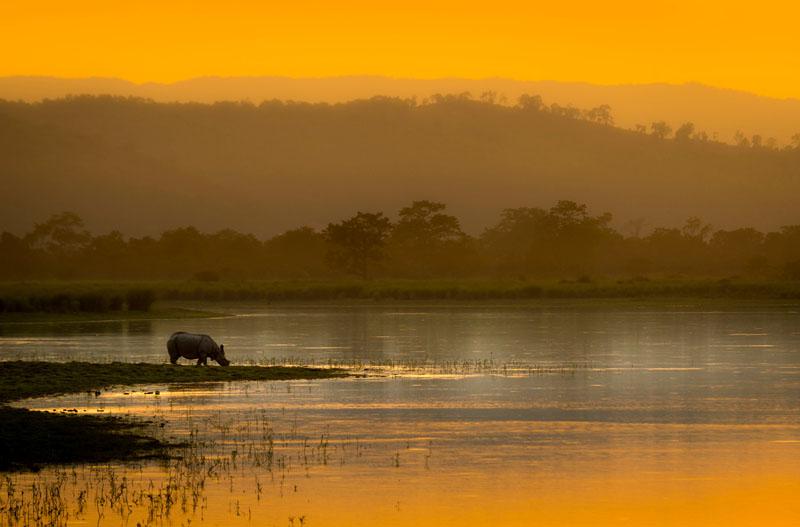
One of the major attractions of Amaltari is its proximity to Chitwan National Park, a UNESCO World Heritage Site renowned for its rich biodiversity. The area offers opportunities for jungle safari, wildlife observation, guided nature walks and birdwatching. Visitors may encounter the one-horned rhinoceros, Royal Bengal tiger, wild elephants, deer, crocodiles and numerous bird species. The Narayani River further enhances the destination's appeal, offering beautiful landscapes, sunset views, photography and opportunities for permitted river-based activities.
Amaltari is particularly famous for its community-based homestay programme, established in 2013 with the participation of local Tharu and Bote households. The initiative promotes sustainable tourism by creating employment and income opportunities while encouraging biodiversity conservation and cultural preservation. The village offers authentic hospitality, traditional accommodation, local cuisine and opportunities to interact with indigenous communities. Traditional Tharu cultural dances, folk music, village walks and local food experiences are among its major attractions. In May 2024, Baghkhor was officially declared Amaltari Madhyabarti Community Homestay Village, strengthening its identity as a community tourism destination.
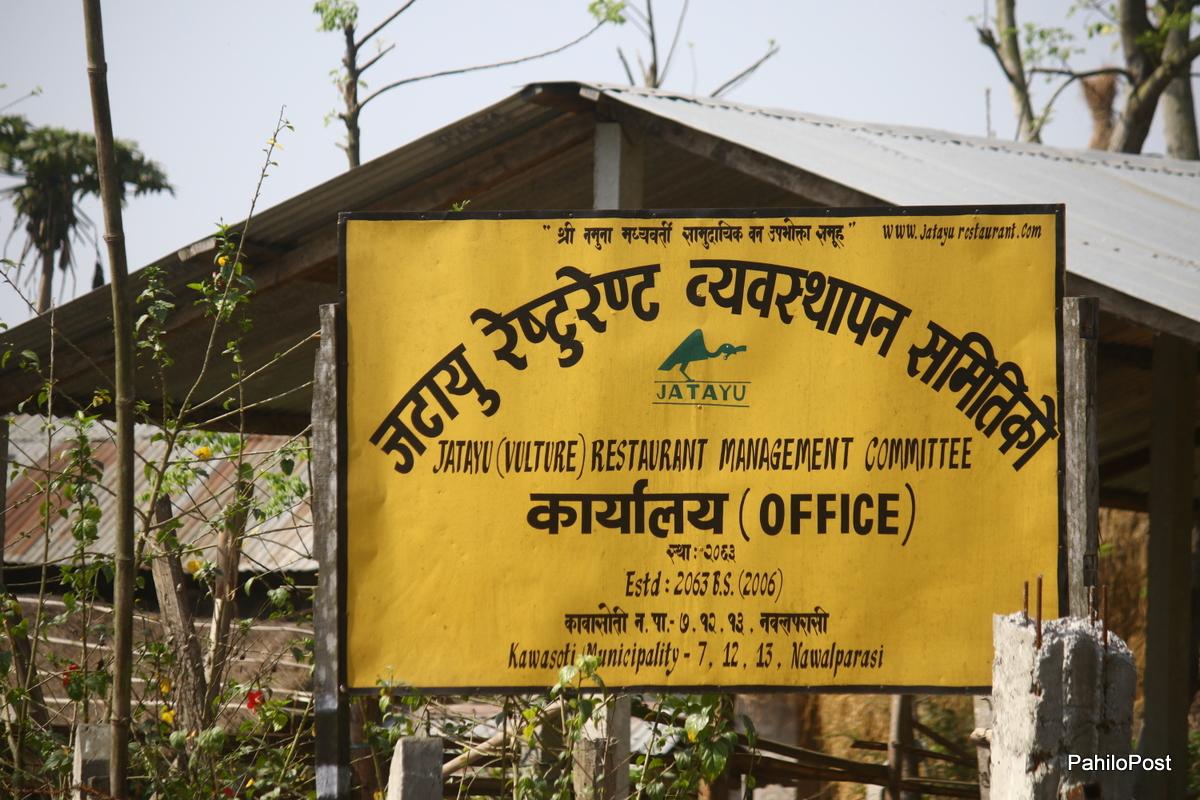
Birdwatching and conservation tourism are also important attractions of the region. More than 500 bird species have been recorded in the wider Chitwan region, making it an attractive destination for birdwatchers and nature enthusiasts. The nearby Jatayu Vulture Restaurant in Kawasoti is another significant attraction, highlighting community participation in vulture conservation. Visitors can also explore local villages, agricultural landscapes and surrounding natural areas through cycling, nature walks and cultural activities.
Amaltari has gradually developed its accommodation facilities, including community homestays, hotels and nature-oriented resorts. Its location along the Narayangadh–Butwal road corridor provides convenient access from Bharatpur, Kathmandu and Pokhara. It can also be combined with nearby attractions such as Maulakalika Temple, Devchuli Hill and other destinations across Nawalpur to create a wider tourism circuit.
The destination has considerable potential for wildlife tourism, eco-tourism, cultural tourism, educational visits, birdwatching, photography and small corporate retreats. Community-based tourism has also contributed to local employment, women's participation, entrepreneurship and the preservation of indigenous traditions. However, further improvements in infrastructure, sanitation, professional guiding services, digital promotion and visitor facilities are important for its sustainable development.
The best time to visit Amaltari is generally from October to March, when pleasant weather creates favourable conditions for wildlife observation, birdwatching and outdoor activities.
With its unique combination of wildlife, river landscapes, indigenous culture and community hospitality, Amaltari has the potential to become one of Nepal's leading community-based eco-tourism destinations. It should be promoted not merely as a homestay village but as a complete tourism destination offering authentic nature, culture and conservation experiences.