1. How difficult is the Everest Gokyo Lakes trek?
The Everest Gokyo Lakes trek is considered moderate to challenging. It involves several hours of walking each day, steep ascents and descents, and trekking at high altitudes. Previous trekking experience is beneficial, but fit beginners with proper preparation can also complete the trek.
2. What is the highest altitude reached during the trek?
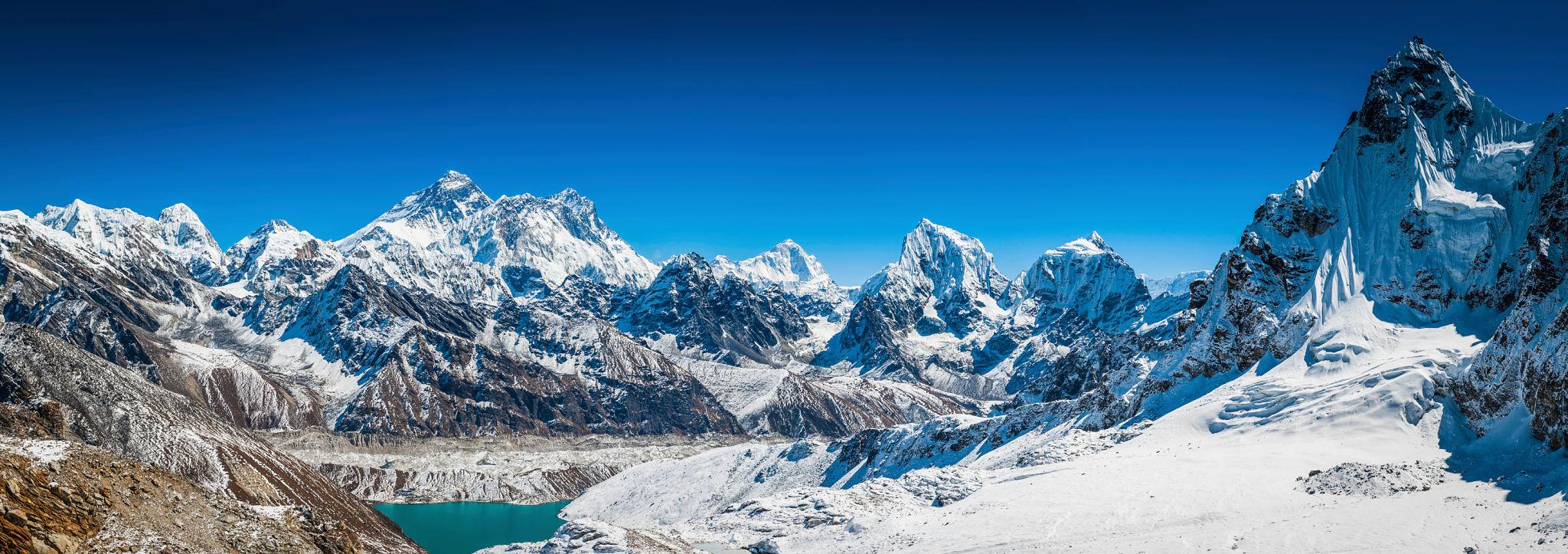
The highest point is Gokyo Ri at approximately 5,357 meters (17,575 feet) above sea level. From the summit, trekkers can enjoy spectacular panoramic views of Mount Everest, Lhotse, Makalu, Cho Oyu, and the surrounding Himalayan peaks.
3. What is the best season for the Gokyo Lakes trek?
The best seasons are spring (March–May) and autumn (September–November). Spring offers milder temperatures and blooming rhododendrons, while autumn generally provides clear skies and excellent mountain views.
4. Do I need previous trekking experience?
Previous trekking experience is not compulsory, but a good level of physical fitness is essential. Regular walking, hiking, stair climbing, and cardiovascular exercise before the trip will help you prepare for the demanding mountain terrain.
5. What permits are required for the Everest Gokyo Lakes trek?
Trekkers generally need a Sagarmatha National Park entry permit and a Khumbu Pasang Lhamu Rural Municipality entry permit. Permit requirements and fees may change, so confirm the current requirements with your trekking operator before departure.
6. What type of accommodation is available during the trek?
Accommodation is generally in local teahouses or mountain lodges offering basic rooms, usually with twin beds and shared bathroom facilities. Private rooms may be available in some locations, subject to availability and additional charges.
7. What meals are provided during the trek?
Trekkers commonly have breakfast, lunch, and dinner at local teahouses. Typical meals include dal bhat, noodles, soups, rice, potatoes, eggs, and other simple local or international dishes. Special dietary requirements should be communicated to the trekking operator in advance.
8. Is altitude sickness a concern on the Gokyo Lakes trek?
Yes. The trek reaches elevations above 5,000 meters, where altitude sickness is a significant risk. The itinerary includes an acclimatization day in Namche Bazaar, but symptoms can still develop. Walk gradually, stay hydrated, avoid overexertion, and inform your guide immediately if symptoms occur. Severe symptoms require stopping ascent and prompt descent with medical assistance.
9. What should I pack for the Gokyo Lakes trek?
Essential items include sturdy trekking boots, layered clothing, a warm down jacket, thermal base layers, waterproof outerwear, gloves, a warm hat, sunglasses, sunscreen, a reusable water bottle, personal medication, and a daypack. A sleeping bag and trekking poles are also recommended, especially during colder months.
10. Are flights between Kathmandu and Lukla guaranteed?
No. Flights to and from Lukla depend on weather conditions and airline operations. Delays or cancellations can occur, particularly during busy trekking seasons or unfavorable weather. We recommend allowing a buffer day after the trek before your international departure and having travel insurance that covers relevant delays and emergency evacuation.