Shivapuri Nagarjun National Park covers 159 sq km on the northern fringe of the Kathmandu Valley, about 12 km from the city centre, and was gazetted as Nepal’s ninth national park in 2002. It took its current form when the Nagarjun forest area of about 15 sq km was added to the original Shivapuri park. The park reaches into the districts of Kathmandu, Sindhupalchowk and Nuwakot, with a buffer zone of about 118 sq km. The land rises from about 1,350 m to the summit of Shivapuri Peak at 2,732 m, which gives the park its name. That makes it a rare place where a full day of hiking begins just a short drive from the city.
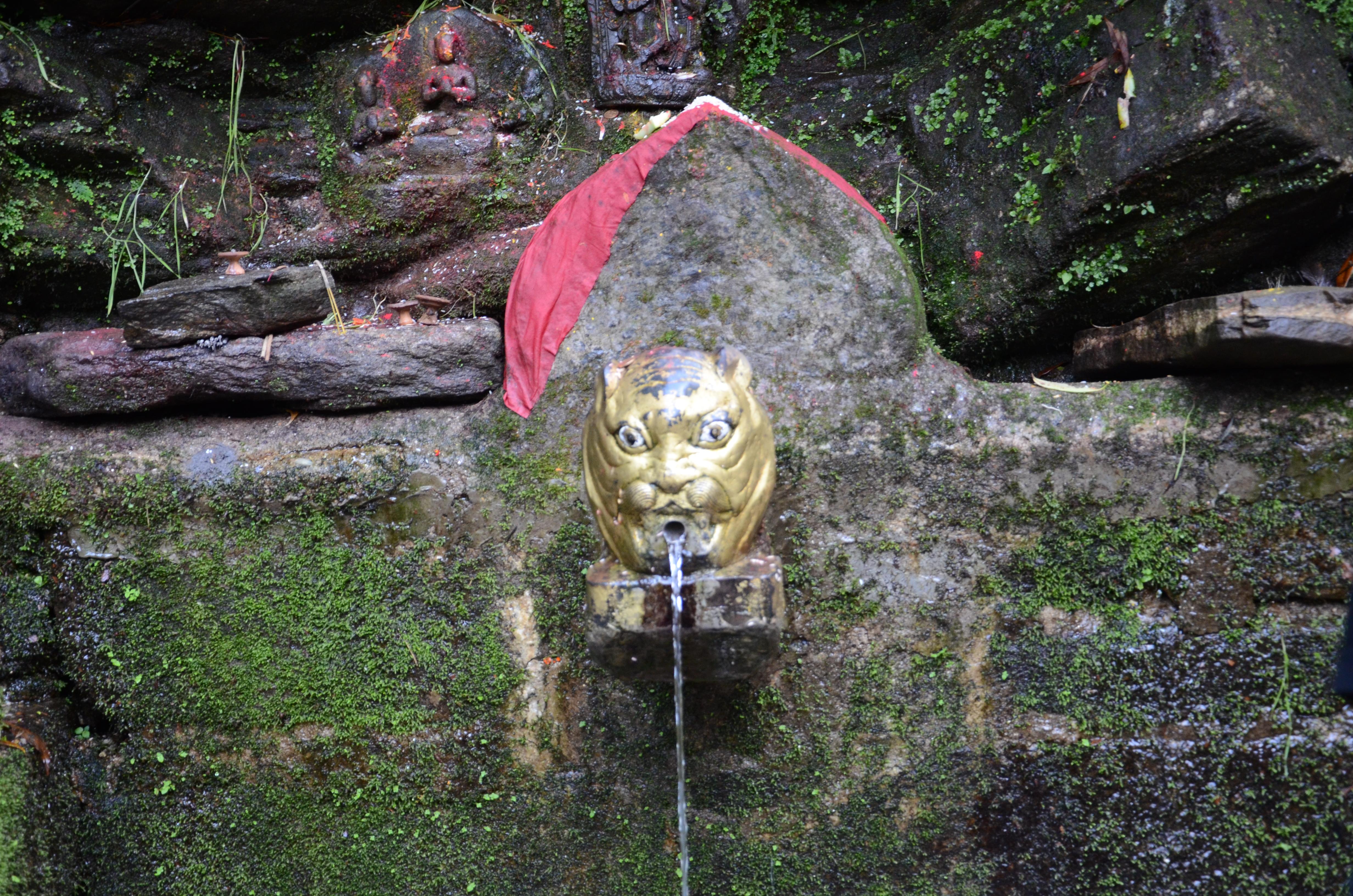
A forest that quenches the valley’s thirst. Shivapuri is one of the main sources of drinking water for the Kathmandu Valley, and about 30 million litres a day are tapped from rivers such as the Bagmati and the Bishnumati and from smaller streams. Its slopes are home to the sacred springs of Baghdwar and Bishnudwar, the sources of those two holy rivers. The forests protect not only wildlife but also the water that millions of people depend on.
Forest, birds and wildlife. The park lies in a transition zone between subtropical and temperate climates, so the vegetation changes as you climb, from oak and pine to rhododendron higher up. A published bird checklist for Shivapuri lists 318 species. That makes the park a favourite for birdwatchers, especially in the early morning. Mammals include leopards, Himalayan black bears, barking deer and wild boar. Most visitors will see birds, monkeys and perhaps deer, as the larger animals are shy and rarely seen on busy trails.
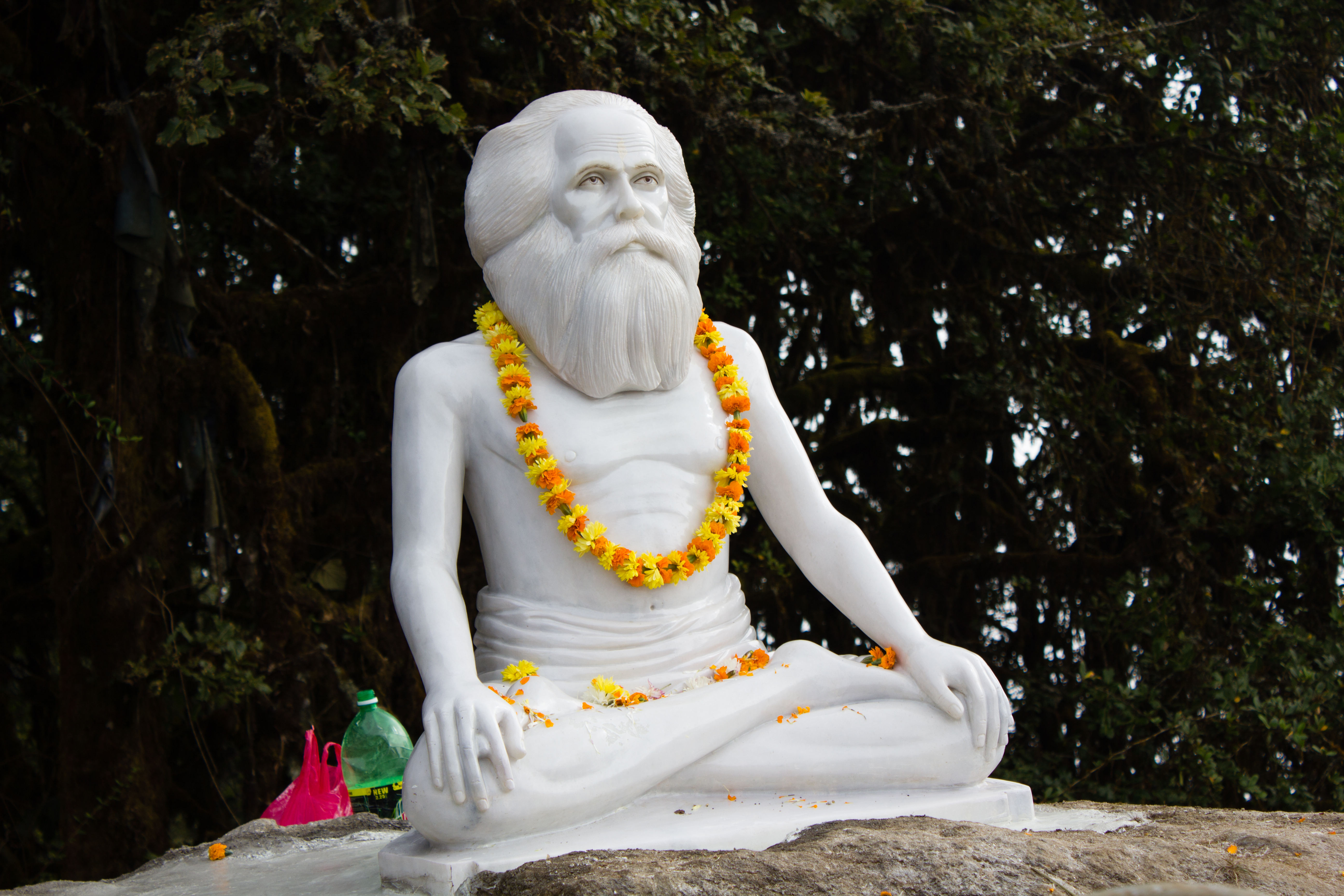
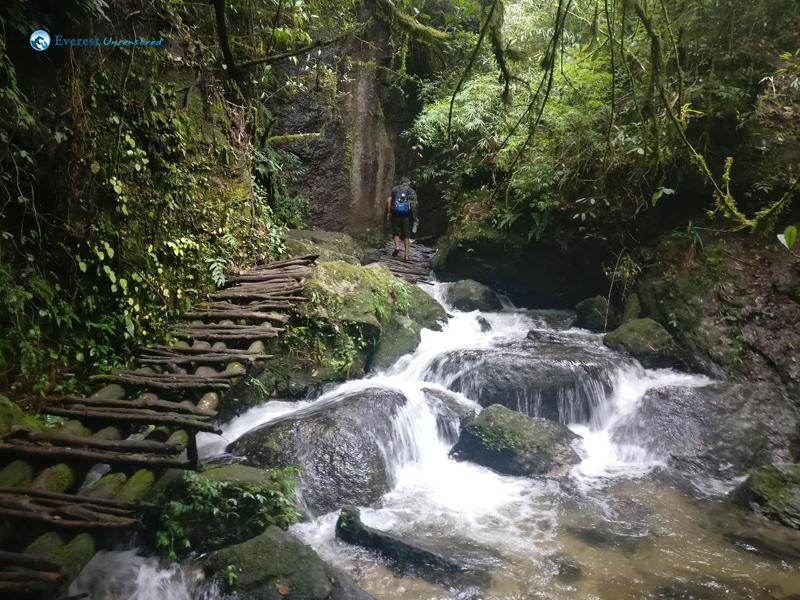
Faith, culture and trails. The park holds several Hindu and Buddhist sites, including Baghdwar, Vishnudwar, Nagi Gompa and Jamacho Gumba. Nagi Gompa is a Tibetan Buddhist nunnery with valley views, and pilgrims visit the sacred springs in large numbers on Nepali New Year. Visitors can enter from Budhanilkantha or Sundarijal. Popular routes lead to Shivapuri Peak, Chisapani and Jamacho, and the Sundarijal-Chisapani trail is the gateway to the Helambu region. Whether you want a gentle forest walk, a pilgrimage to a river source, a summit hike or a day of birdwatching, the park offers it within easy reach of Kathmandu.
Best time to visit: October to November and March to May bring clear skies and comfortable temperatures, and spring adds blooming rhododendrons. The monsoon (June to September) brings lush greenery but also leeches and slippery trails.