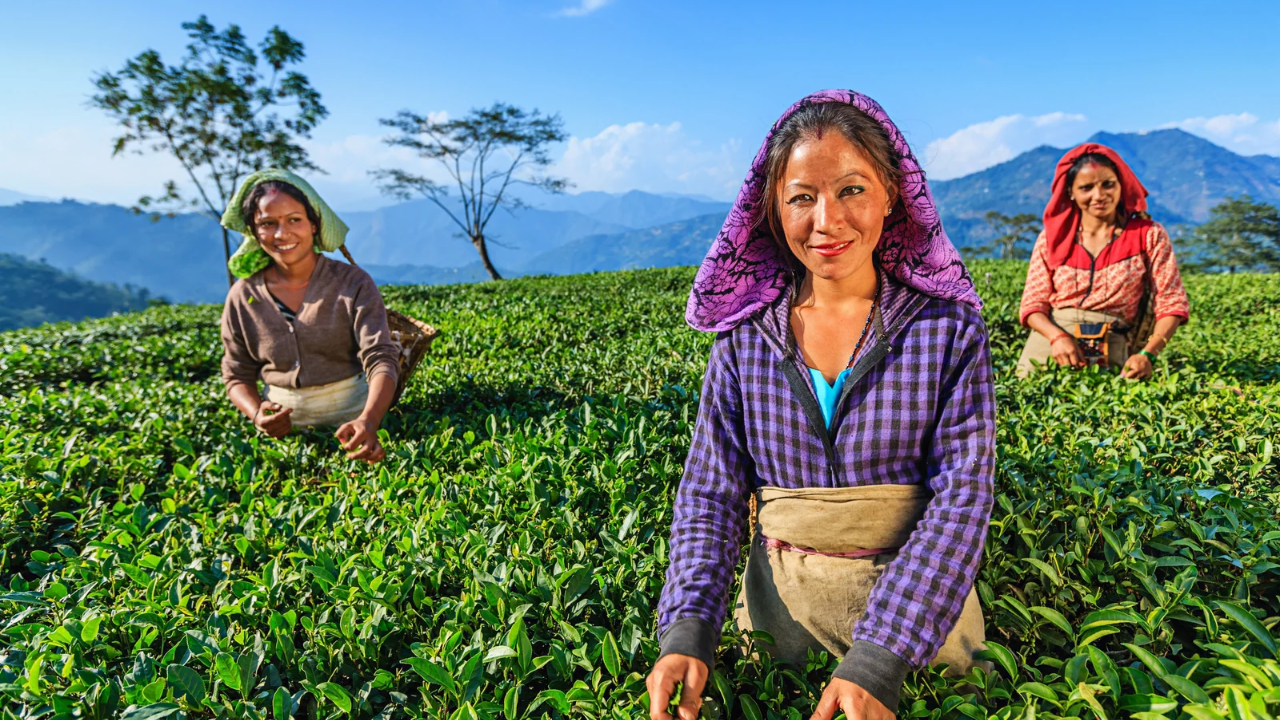
Sikkim is a small, mountainous state in north-east India, bordering Nepal, Bhutan and Tibet. It is India's second-smallest state and its first fully organic one, known for sustainable farming, offbeat treks and a clean, green image. Its capital, Gangtok, sits at around 1,700 to 1,800 m and has a character quite unlike other Indian state capitals. It is modern, clean and cosmopolitan, with a distinctive Himalayan cultural mix.
Gangtok is a base for Buddhist heritage and mountain scenery. Rumtek Monastery, one of the state's most important, holds the remains of the 16th Karmapa, and Enchey Monastery offers a quieter look at local worship. Viewpoints such as Hanuman Tok and Ganesh Tok, waterfalls such as Banjhakri and the Flower Exhibition Centre add to the city's attractions.
The main day trip is Tsomgo (Changu) Lake. It lies 55 km from Gangtok, a drive of about two hours on a road that winds steadily up into the mountains. At roughly 12,400 ft, the glacial lake is surrounded by snow-capped peaks, and nearby stands the shrine of Baba Harbhajan Singh, a soldier believed to protect the region. Access to the lake and other border areas is restricted for foreign visitors, so permits are required and cannot be guaranteed.
With monasteries, alpine lakes, clean air and a warm mix of Lepcha, Bhutia and Nepali cultures, Sikkim suits nature lovers, spiritual travellers, families and anyone who wants quiet mountain scenery in a well-organised, welcoming destination.