Q1: Do I need trekking experience or a high level of fitness?
Previous trekking experience is helpful but not essential. However, you should be in good health and comfortable walking for several hours a day on uneven mountain trails. Day 3 is the longest and most demanding day of the trek, so maintaining a steady pace, staying hydrated, and following your guide's instructions are important.
Q2: Do I need a permit for the North Annapurna Base Camp Trek?
Yes. Applicable trekking permits and conservation area entry permits are required. The ACAP (Annapurna Conservation Area Permit) and TIMS (Trekkers' Information Management System) requirements should be confirmed before departure. We can assist you with the necessary permits and documentation. Please provide a copy of your passport at the time of booking.
Q3: Do I have to carry my own bag? Can I hire a porter?
You should carry a small daypack containing water, snacks, warm clothing, and personal essentials. Porter services are not included in the standard package but can be arranged at an additional cost. Please request a porter when making your booking.
Q4: Will I have mobile network and internet access during the trek?
Mobile network coverage and internet connectivity are limited and unreliable along this remote trekking route. Coverage may disappear beyond Guras Danda and in the higher sections of the trail. We recommend informing your family and friends before departure and being prepared to remain offline for much of the trek.
Q5: Is there a risk of altitude sickness?
Yes. Since the trek reaches high-altitude terrain, there is a possibility of altitude sickness. It is important to ascend gradually, stay hydrated, and inform your guide immediately if you experience symptoms such as headaches, dizziness, nausea, or unusual fatigue. Consult your doctor before the trip, particularly if you have any pre-existing medical conditions. Descending to a lower altitude may be necessary if symptoms develop or worsen.
Q6: Is a medical kit provided during the trek?
Yes. Your trekking guide carries a basic first-aid kit to handle minor medical issues. However, you should bring your personal medications and any prescribed emergency medicines. As the route is remote, comprehensive medical facilities may not be readily accessible during the trek.
Q7: What type of accommodation is available during the trek?
Accommodation during the trek is generally basic, with simple lodges or camping arrangements depending on availability at Gufaphat and Bhusketmela. The package also includes hotel accommodation in Beni and Pokhara. Facilities in the trekking areas may be limited, so travellers should be prepared for a rustic mountain experience.
Q8: What is the best time to do the North Annapurna Base Camp Trek?
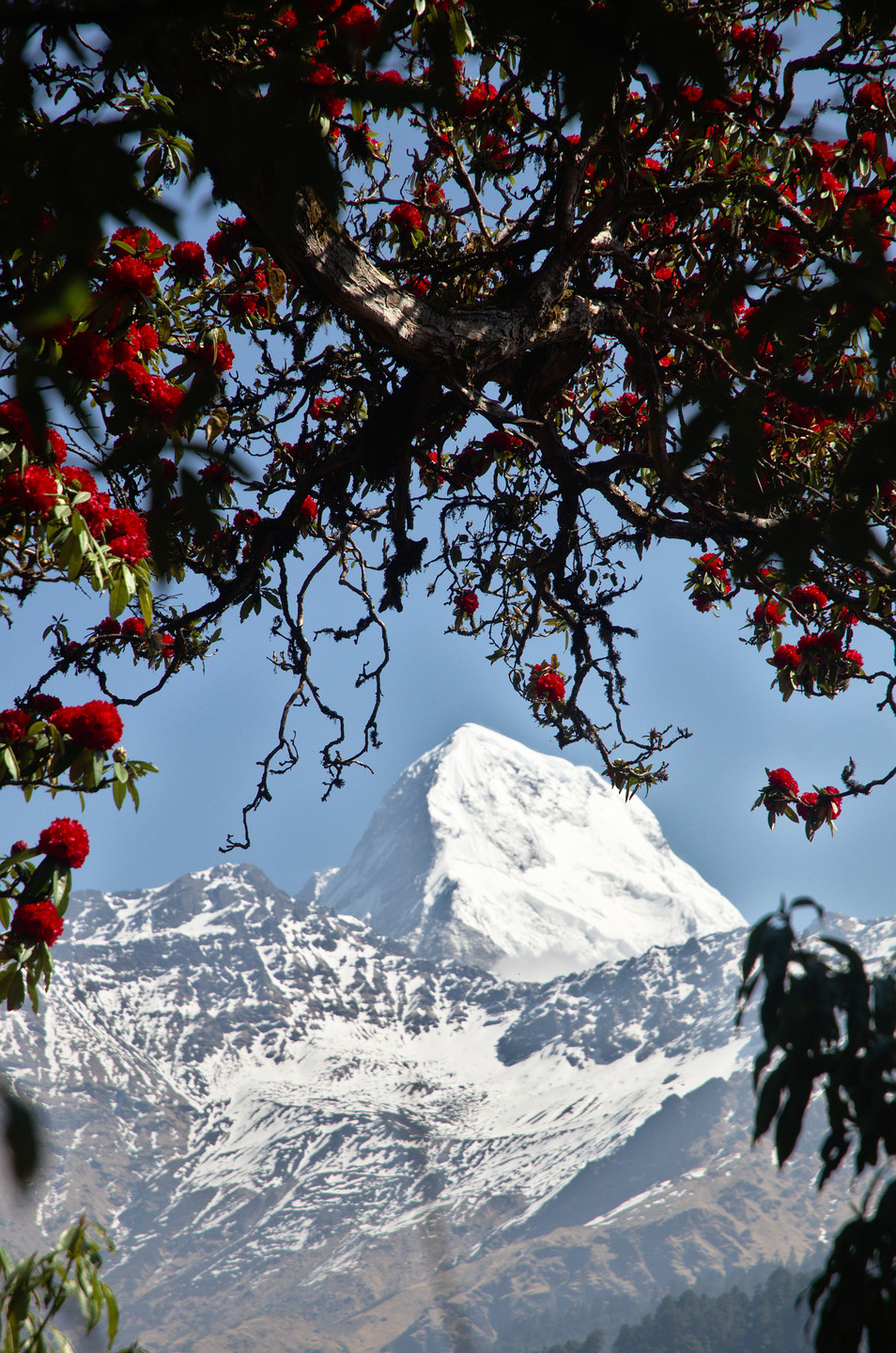
Spring (March–May) and autumn (September–November) are generally the best seasons for the North Annapurna Base Camp Trek. Spring offers beautiful blooming rhododendrons, while autumn usually provides clearer skies and excellent mountain views. However, weather conditions can change quickly at higher elevations, so checking local weather forecasts before departure is recommended.
Q9: What should I pack for the North Annapurna Base Camp Trek?
You should pack sturdy trekking boots, layered clothing, a warm jacket, rain protection, a hat, gloves, sunglasses, sunscreen, a reusable water bottle, personal medications, toiletries, and a headlamp. A sleeping bag may also be necessary depending on the accommodation arrangements. Your trekking guide can provide a detailed packing list before departure.


.jpeg)