Q1. Where is the Ruby Valley Trek located?
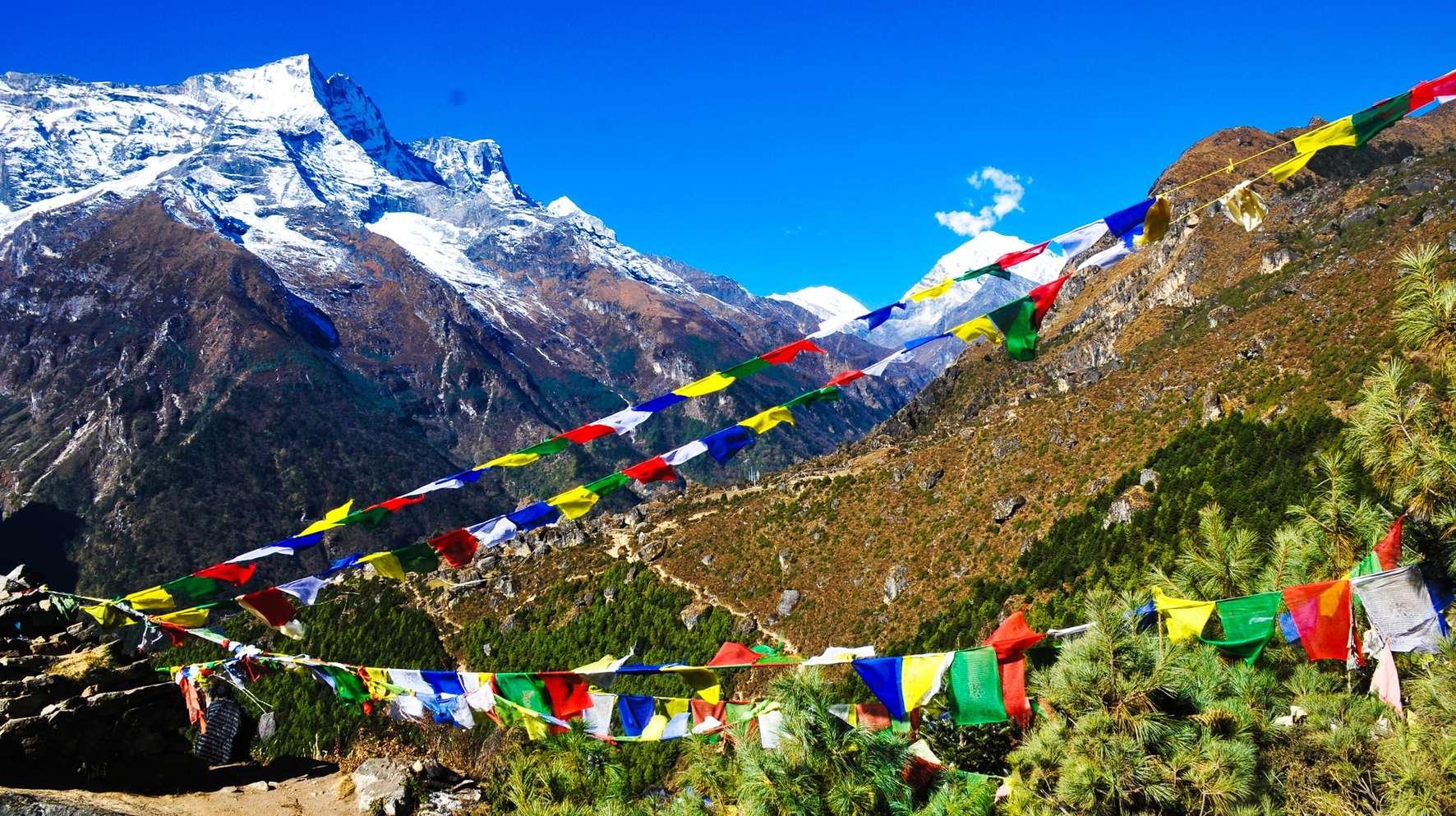
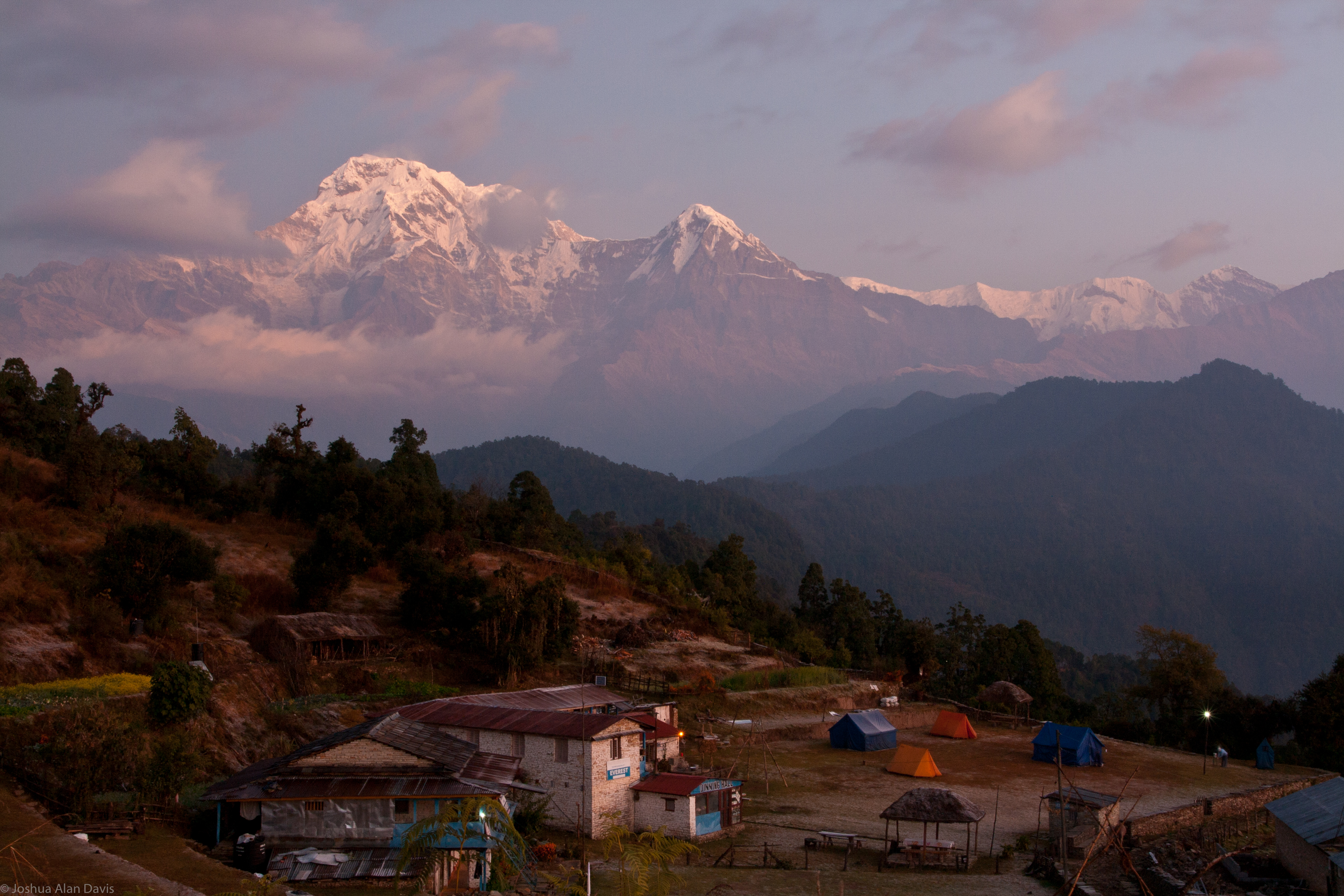
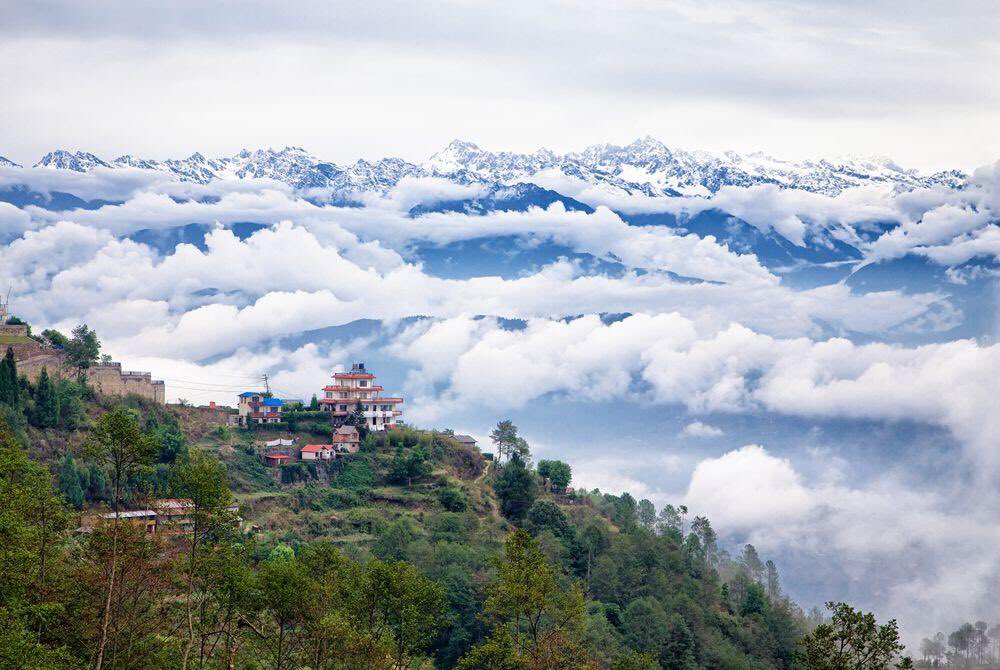
The Ruby Valley Trek is located in the Dhading and Rasuwa districts of north-central Nepal, within the beautiful Ganesh Himal region. It is a less-crowded trekking destination known for its mountain scenery, traditional Tamang and Gurung villages, waterfalls, forests, and authentic rural experiences.
Q2. How difficult is the Ruby Valley Trek? Do I need previous trekking experience?
The Ruby Valley Trek is considered a moderate to challenging trek. Previous trekking experience is helpful but not compulsory. Trekkers should have a reasonable level of fitness and be comfortable walking for approximately 4–8 hours a day on uneven mountain trails. The crossing of Pangsang Pass (3,842 m) is one of the more challenging sections.
Q3. What is the best season for the Ruby Valley Trek?
The best seasons are spring (March to May) and autumn (September to November). Spring offers pleasant temperatures, blooming rhododendrons, and clear mountain views. Autumn generally provides stable weather, clear skies, and excellent Himalayan panoramas. Winter and monsoon treks are possible but may involve difficult weather and trail conditions.
Q4. What is the highest altitude reached during the trek?
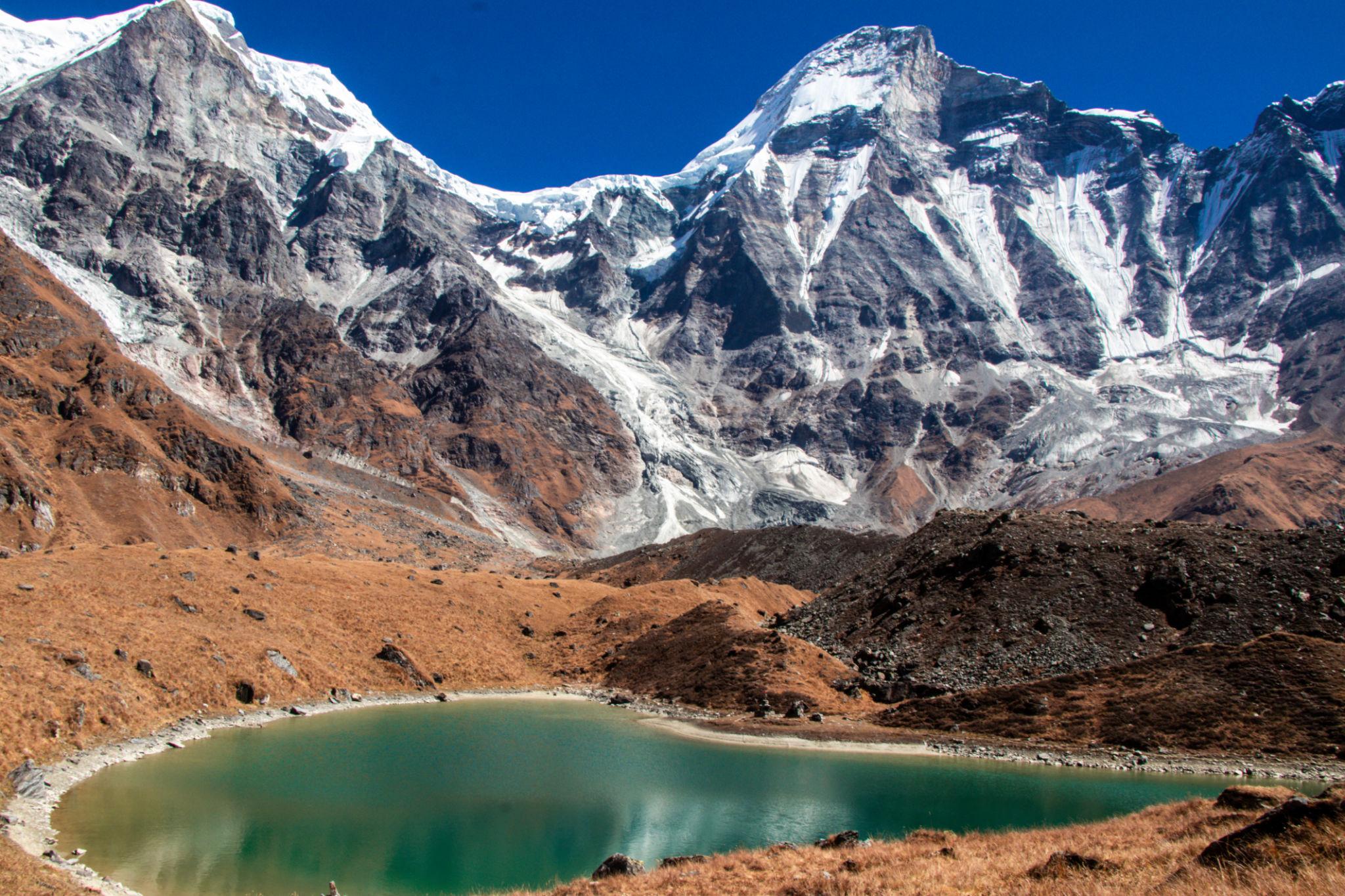
The highest point of this itinerary is Pangsang Pass at approximately 3,842 metres above sea level. The pass offers spectacular views of the Ganesh Himal range and surrounding Himalayan landscapes on clear days. Proper acclimatization, a steady walking pace, and guidance from an experienced trekking guide are important.
Q5. What type of accommodation is available during the Ruby Valley Trek?
Accommodation in Kathmandu and Dhading Besi is arranged in standard hotels on a twin-sharing basis. During the trek, accommodation is generally in local teahouses, basic lodges, and community homestays. Facilities in remote villages are simple, and private bathrooms, hot showers, Wi-Fi, and charging facilities may not always be available.
Q6. What meals are provided during the trek?
The package includes breakfast, lunch, and dinner during the trekking days. Meals are generally freshly prepared using locally available ingredients. Common options include dal bhat, rice, vegetables, noodles, soups, potatoes, eggs, and other simple local dishes. Breakfast is included during the Kathmandu hotel stay, while lunch and dinner in Kathmandu are generally not included except for the scheduled welcome and farewell dinners.
Q7. Are permits required for the Ruby Valley Trek?
Permit requirements can depend on the exact route and current local regulations. Our team will check the applicable requirements and arrange the necessary permits and local entry permissions included in the package. Trekkers should carry their valid passport and any required travel documents.
Q8. What cultural experiences can I enjoy during the trek?
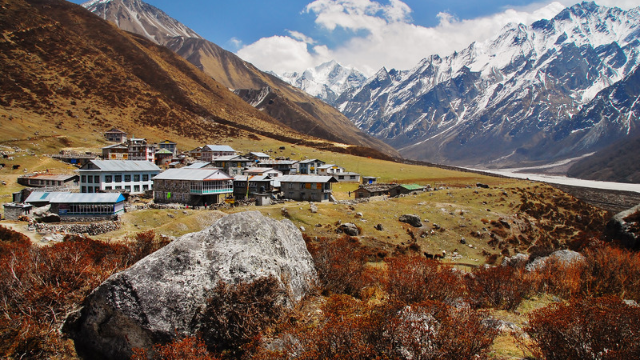
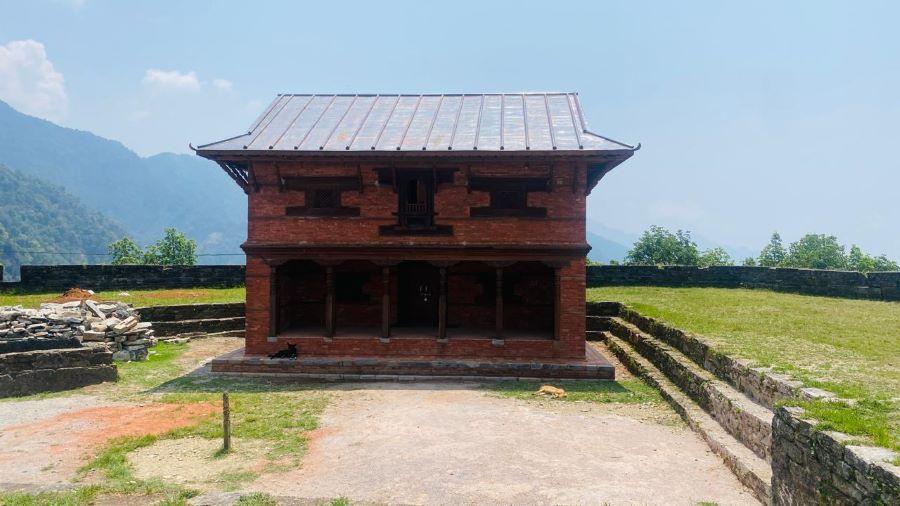
The Ruby Valley Trek offers opportunities to experience the traditional lifestyles of Tamang and Gurung communities. You can explore villages such as Gatlang, Tipling, Sertung, and Chalish Gaon, observe local traditions, visit monasteries, enjoy traditional food, and interact with welcoming local families through community homestays.
Q9. What should I pack for the Ruby Valley Trek?
You should bring comfortable trekking boots, warm layered clothing, a waterproof jacket, trekking trousers, thermal wear, a warm sleeping bag, a backpack, water bottles, sunglasses, sunscreen, a hat, gloves, personal medication, and basic toiletries. A headlamp, trekking poles, and power bank are also useful. Your guide can provide a detailed packing list before departure.
Q10. Is the Ruby Valley Trek package suitable for solo travellers, and can the itinerary be customized?
Yes. Solo travellers, couples, families with suitable fitness levels, and small groups can enjoy the Ruby Valley Trek. Private departures and customized arrangements can be organized according to your travel dates, interests, and budget. The itinerary can also be adjusted for additional rest days, cultural activities, or changes in transportation, subject to local conditions.