

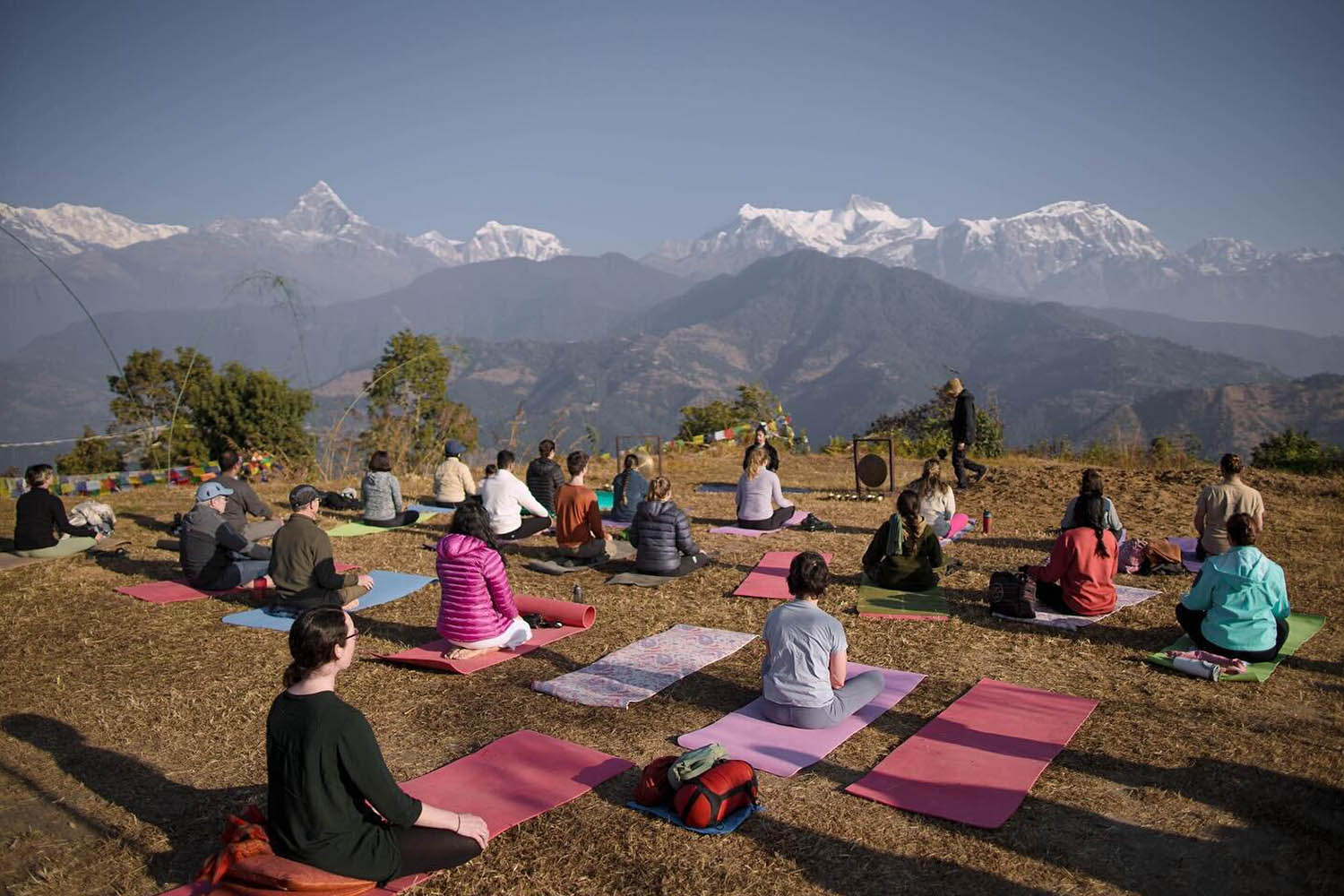
Nepal is preparing to showcase a new dimension of its tourism potential through Nepal Wellness Year 2027, an initiative aimed at positioning the country as a destination for wellness, relaxation, mindfulness and holistic wellbeing. Announced by the Government of Nepal during the celebration of International Wellness Day on 15 April 2026, the initiative highlights Nepal's distinctive combination of Himalayan landscapes, ancient traditions, spiritual heritage and nature-based experiences.
According to the Nepal Tourism Board (NTB), the initiative forms part of a broader vision to promote wellness tourism by bringing together yoga, meditation, traditional wellness practices, cultural experiences and Nepal's natural environment. The goal is to encourage travellers to discover more than the country's famous mountains and heritage sites—to experience a deeper connection with themselves, local communities and nature.
What Is Nepal Wellness Year 2027?
Nepal Wellness Year 2027 is a national tourism-promotion initiative designed to strengthen Nepal's identity as an international wellness destination. It offers an opportunity to highlight the country's traditional knowledge, spiritual practices, peaceful natural settings and growing range of wellness-oriented hospitality services.
Modern travellers increasingly seek meaningful holidays that allow them to slow down, manage everyday stress, reconnect with nature and explore healthier lifestyles. Nepal is well positioned to respond to this interest through experiences that combine cultural discovery, physical activity, mindfulness and relaxation.
The initiative also creates opportunities for tourism businesses, wellness centres, hotels, resorts, yoga instructors, traditional practitioners, local guides and communities to develop responsible wellness experiences for domestic and international visitors.
Why Nepal Is an Ideal Wellness Destination
1. Yoga and Meditation in a Peaceful Environment
Nepal's spiritual heritage and tranquil landscapes provide a distinctive setting for yoga, meditation, breathing exercises and mindfulness retreats. Visitors can participate in guided sessions at wellness centres, retreat facilities and selected destinations surrounded by hills, forests or mountain scenery.
Kathmandu Valley, Pokhara and the areas around Lumbini offer opportunities to combine meditation and yoga with cultural exploration and peaceful surroundings.
2. Ayurveda and Traditional Wellness
Ayurveda and traditional wellness practices form an important part of South Asia's heritage. In Nepal, visitors can explore suitable programmes offered by qualified practitioners and reputable wellness facilities.
Depending on the provider, experiences may include consultations, traditional therapies, healthy daily routines, relaxation treatments and guidance on balanced living. Visitors should choose qualified professionals and consult an appropriate healthcare provider before undertaking therapeutic treatments.
3. Himalayan Nature and Rejuvenating Escapes
Nepal's mountains, green hills, lakes, forests and rural landscapes offer excellent opportunities for nature-based wellbeing. Gentle walks, scenic hikes, outdoor relaxation and time away from busy urban environments can help visitors enjoy a slower and more mindful travel experience.
Destinations such as Nagarkot, Dhulikhel, Pokhara and selected Himalayan foothill communities can combine scenic views with comfortable accommodation and wellness activities. High-altitude trekking, however, is an adventure activity rather than a substitute for a wellness retreat and requires appropriate preparation.
4. Spiritual Heritage and Cultural Discovery
Nepal is home to important Hindu and Buddhist heritage sites that attract pilgrims, spiritual travellers and culturally curious visitors.
Pashupatinath Temple, Boudhanath Stupa, Swayambhunath, Lumbini and other sacred places offer opportunities to learn about religious traditions, architecture, philosophy and contemplative practices. Visitors should respect local customs, dress appropriately and follow photography and worship guidelines.
5. Healthy Food and Mindful Living
Food can be an important part of a wellness-oriented holiday. Travellers can enjoy traditional Nepali meals, seasonal vegetables, locally sourced ingredients and regional culinary experiences while learning about local food cultures.
Hotels, resorts and wellness retreats can further develop balanced menus, mindful dining experiences and practical activities that encourage visitors to adopt healthy habits during and after their travels.
Top Destinations to Experience Wellness in Nepal
Kathmandu Valley: Explore ancient temples, Buddhist stupas, cultural heritage and opportunities for yoga, meditation and spiritual learning.
Pokhara: Enjoy lakeside relaxation, Himalayan views, gentle outdoor activities and wellness stays in a scenic natural setting.
Lumbini: Discover the birthplace of Gautama Buddha, visit monasteries and experience an atmosphere suited to Buddhist heritage exploration and quiet reflection.
Dhulikhel and Nagarkot: Enjoy hilltop scenery, sunrise views, nature walks and retreat-style stays close to the Kathmandu Valley.
Chitwan: Combine nature-based relaxation with responsible wildlife tourism, forest experiences and locally rooted cultural activities.
The Himalayan foothills: Explore suitable walking routes and peaceful mountain communities where nature, local hospitality and outdoor activities can complement a wellness holiday.
The best destination depends on visitors' interests, physical ability, season and preferred level of comfort. Travellers should check accessibility, weather and service availability before booking.
Wellness Experiences Visitors Can Enjoy
During Nepal Wellness Year 2027, travellers may plan holidays around a combination of wellness and cultural activities, depending on the services available at their chosen destination.
Guided yoga and meditation sessions.
Breathing exercises and mindfulness workshops.
Ayurveda consultations and traditional wellness programmes with qualified providers.
Spa and relaxation services at established hotels and resorts.
Gentle nature walks, sunrise viewing and scenic outdoor experiences.
Buddhist and Hindu heritage tours.
Local food experiences and cultural exchanges.
Digital-detox stays and quiet retreats.
Community-based tourism and responsible nature experiences.
These activities should be presented as wellness and lifestyle experiences, not as guaranteed medical treatments or cures for illness.
Nepal Wellness Year 2027 and Sustainable Tourism
Wellness tourism can create opportunities beyond conventional sightseeing. By encouraging longer stays and meaningful activities, it can help distribute tourism spending among local accommodation providers, guides, restaurants, transport operators, artisans, farmers and wellness professionals.
The initiative also provides an opportunity to strengthen service quality, professional training, visitor safety, environmental protection and cooperation between the public and private sectors.
To establish a strong international reputation, Nepal's wellness tourism industry will need reliable service standards, appropriately trained practitioners, transparent pricing, accessible facilities and clear information about the nature of each programme. Respect for cultural traditions and responsible use of natural resources will be equally important.
Opportunities for Nepal's Tourism Industry
Nepal Wellness Year 2027 can help tourism businesses develop new packages for visitors seeking more personalised and meaningful holidays.
Travel agencies can introduce yoga and meditation retreats, cultural wellness journeys, nature-based escapes and wellness extensions to existing Nepal itineraries. Hotels and resorts can partner with qualified instructors and wellness professionals to create suitable programmes. Local communities can participate through guided walks, traditional food experiences, cultural activities and community-based accommodation.
International promotion should focus on what makes Nepal distinctive: the relationship between its landscapes, living traditions, spiritual heritage and welcoming communities.
Successful implementation will depend on cooperation among government agencies, tourism associations, hospitality businesses, wellness practitioners and local communities.
How to Plan a Wellness Holiday in Nepal
Visitors interested in Nepal Wellness Year 2027 can begin by selecting the type of experience they want. Some may prefer a short yoga and meditation retreat, while others may choose a longer itinerary combining cultural heritage, lakeside relaxation and Himalayan scenery.
A practical itinerary could include:
Days 1–2: Kathmandu Valley — Cultural sightseeing, a guided meditation session and an introduction to local traditions.
Days 3–4: Dhulikhel or Nagarkot — Scenic relaxation, gentle walks and a wellness-oriented resort stay.
Days 5–7: Pokhara — Lakeside leisure, suitable outdoor activities, local cuisine and optional yoga sessions.
This is a suggested itinerary, not an official Nepal Wellness Year programme. Actual activities depend on availability, weather, transport conditions and the facilities selected.
Travellers should book reputable providers, disclose relevant accessibility needs, arrange suitable travel insurance and check current travel advice before departure.
Conclusion: Discover a More Meaningful Nepal in 2027
Nepal Wellness Year 2027 represents an opportunity to present Nepal to the world through a broader tourism experience—one that connects nature, culture, spirituality, traditional knowledge and personal wellbeing.
From yoga and meditation in peaceful surroundings to cultural exploration, scenic retreats and responsible nature experiences, Nepal offers a rich foundation for wellness-focused travel.
As preparations progress, collaboration, professional standards and authentic visitor experiences will be essential to turning this national initiative into lasting benefits for tourism businesses and local communities.
